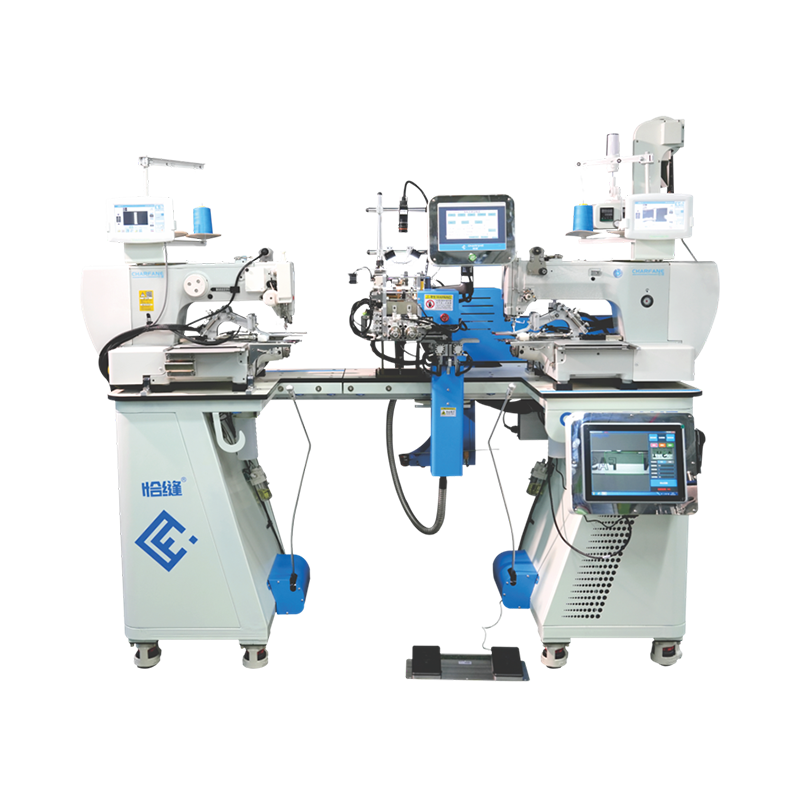
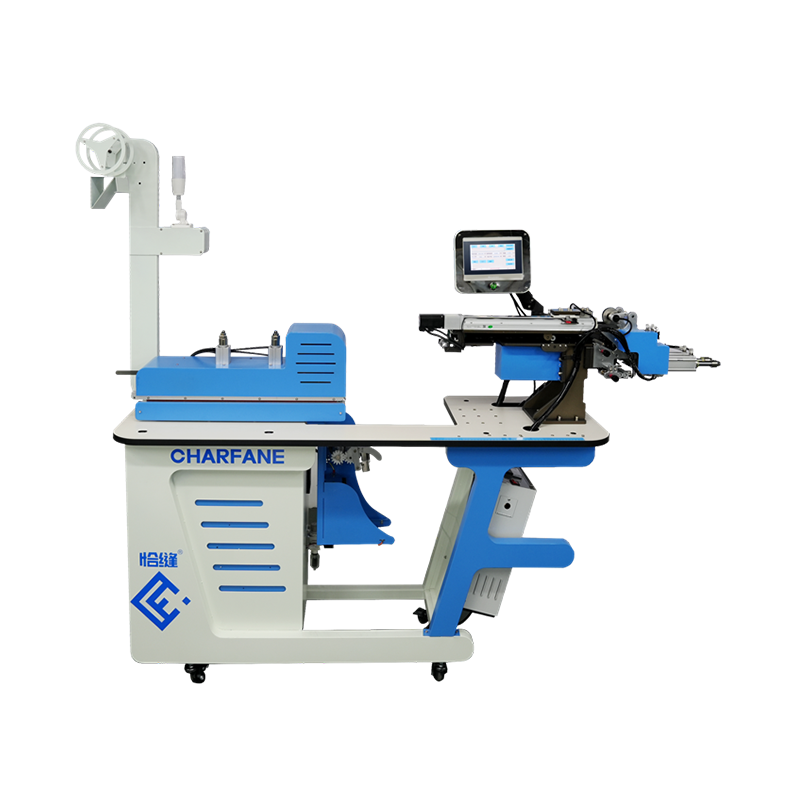
Product Introduction
Design details · Performance · Applications
How to Use
Machine Debugging
Ease of Use
It allows quick and convenient switching between manual and semi‑automatic production modes to suit different fabrics and requirements
High Production Efficiency
It achieves a production capacity of 1000 pieces per hour, which is three times the efficiency of traditional heat‑transfer printing
Safety
It has no heating or pressing procedures, which eliminates scalding and crushing risks and significantly enhances operator safety
Low Consumable Consumption
Traditional heat‑transfer labels are costly, while the special ink dedicated for pad printing machines incurs almost negligible expenses
Low Power Consumption
Traditional heat‑transfer equipment has a minimum power of 15 kW with a power consumption of 1.5 kWh per hour, while this pad printing machine only consumes 0.3 kWh per hour
Value formula
1、Thanks to higher production efficiency, labor costs can be reduced. Traditional heat‑transfer printing produces around 300 pieces per hour, whereas the F‑180 pad printing machine reaches 1000 pieces per hour, tripling output. This is equivalent to saving 2 workers. Calculated on saving at least 2 workers, annual wage savings are estimated at 100,000 RMB
2、Cost savings are realized through low consumable consumption. For an annual volume of 1 million garments, heat‑transfer labels cost 0.1 RMB each, adding up to 100,000 RMB. The F‑180 pad printing machine merely needs 2 kg of ink at 220 RMB, delivering an estimated annual material cost saving of 100,000 RMB
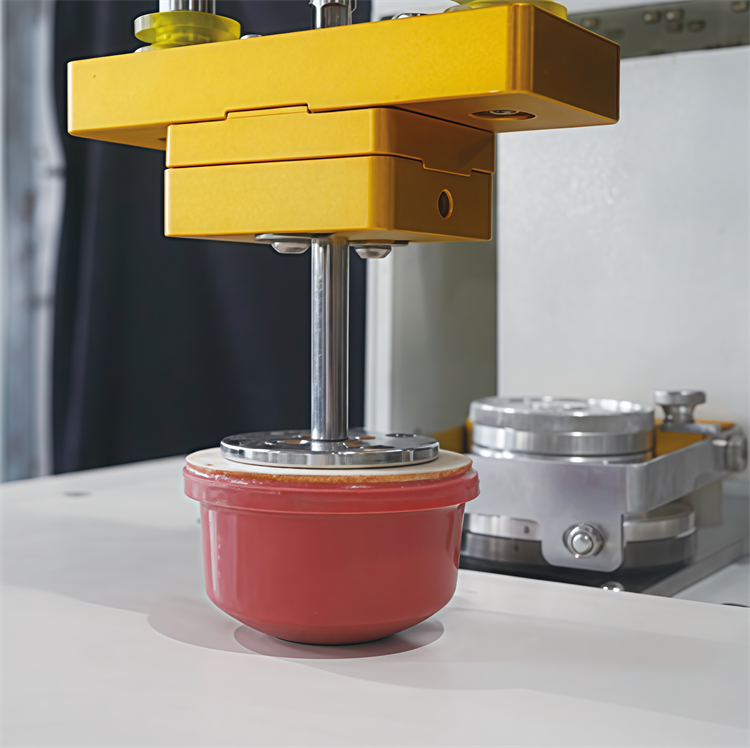
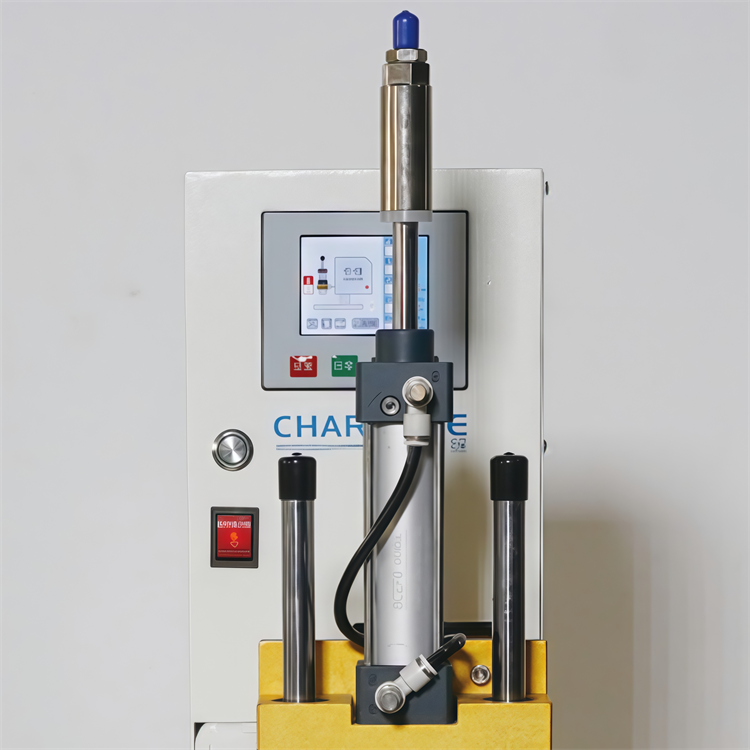
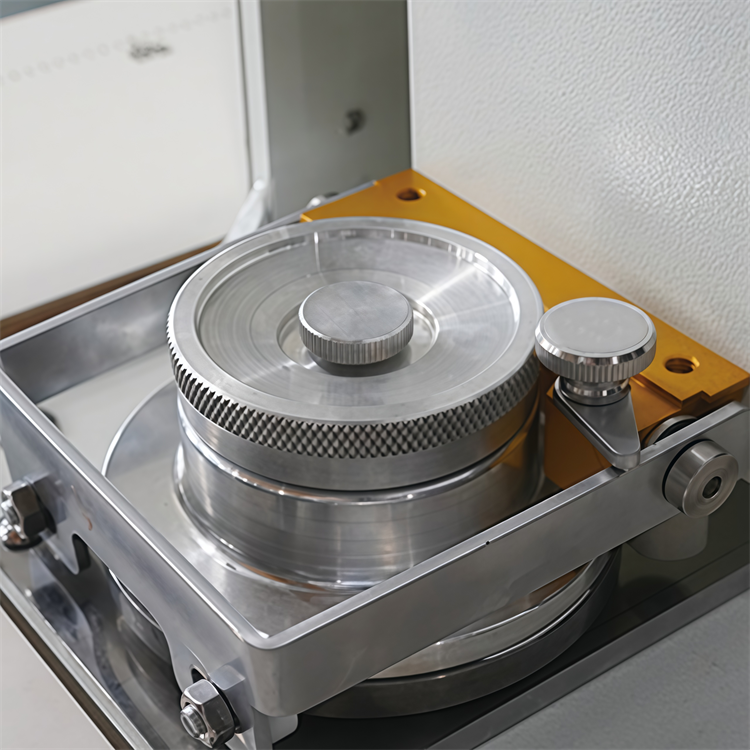
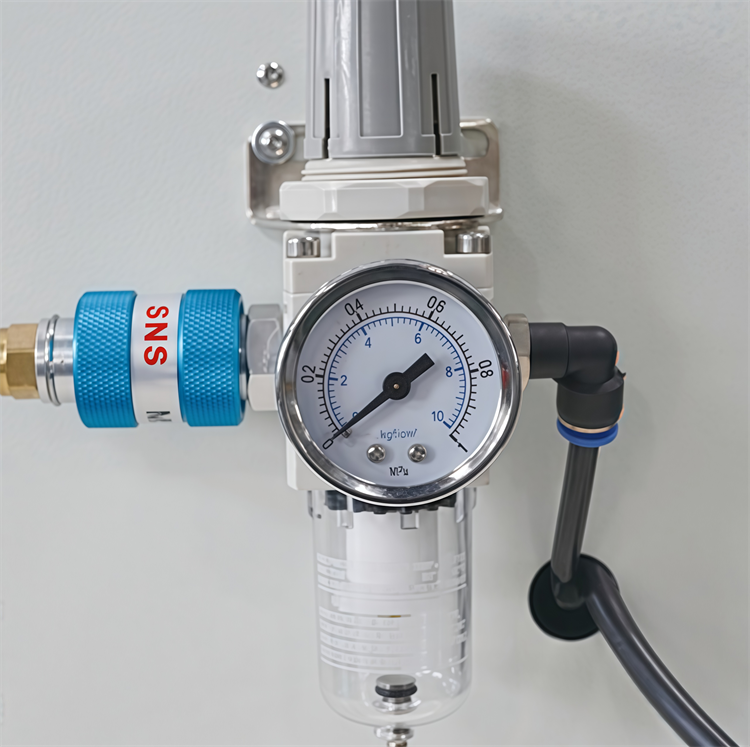
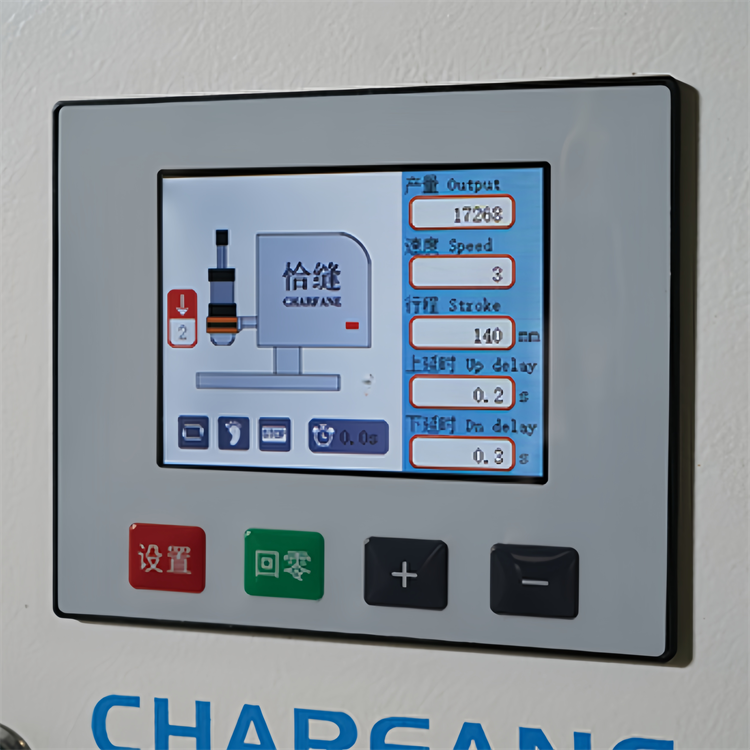
Essential Items for Operation | |||||
Serial Number | 1 | 2 | 3 | 4 | 5 |
Product Name | Pad Printing Plate | Ink | Medium‑drying Thinner | Hardener | Deodorizer |
Unit | Block | Bottle | Bottle | Bottle | Bottle |
Related Products
More products in this series
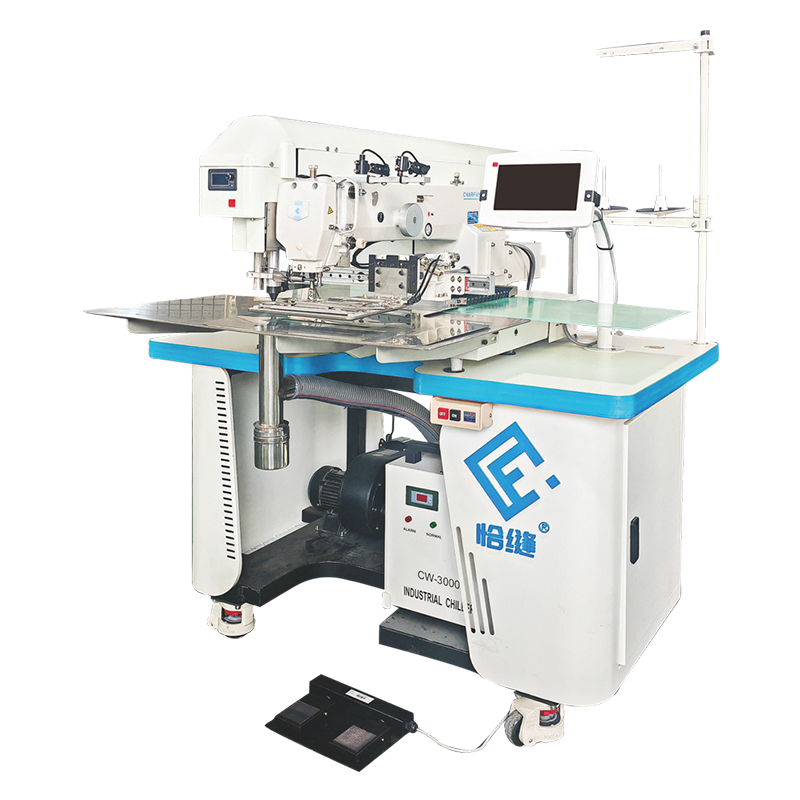
QF‑302F Laser Pocket Welting Machine
Learn more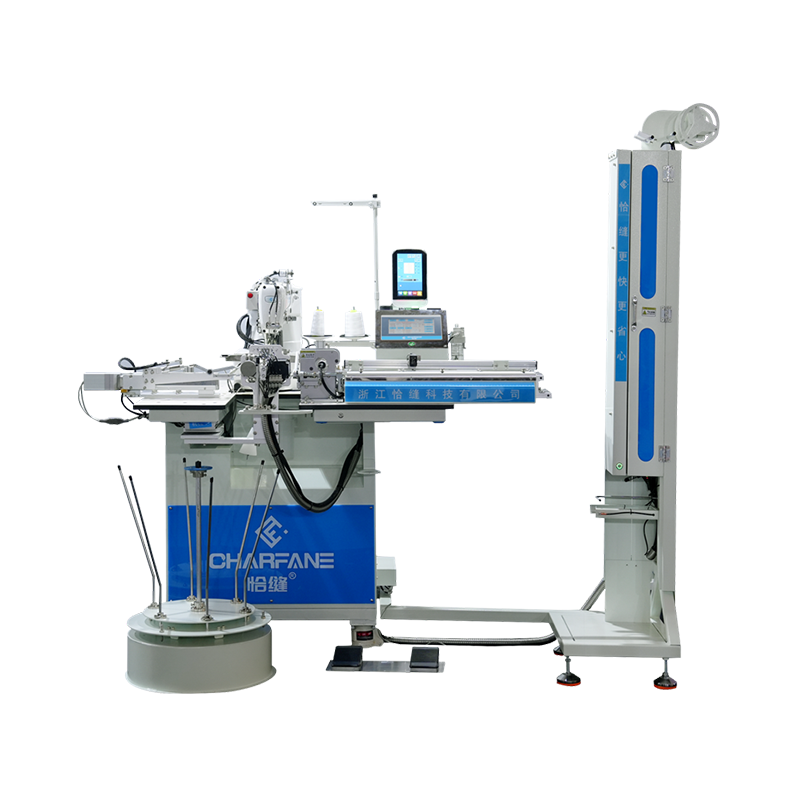
F‑720 Automatic Elastic Band Joining Machine — Pattern Sewing Machine Series
Learn more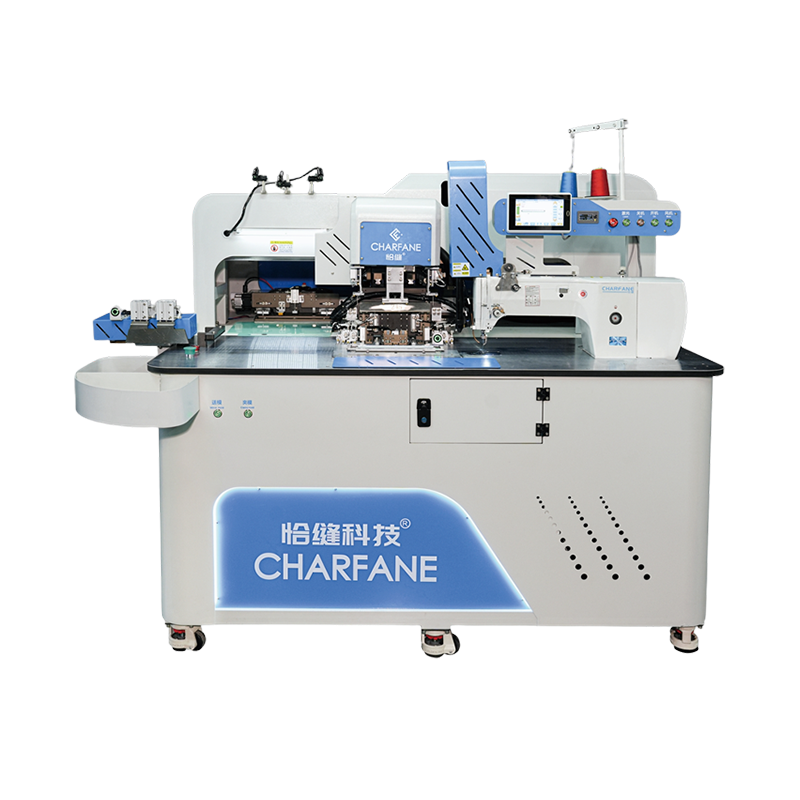
F‑985 Fully‑Automatic Laser Pocket Welting Machine
Learn more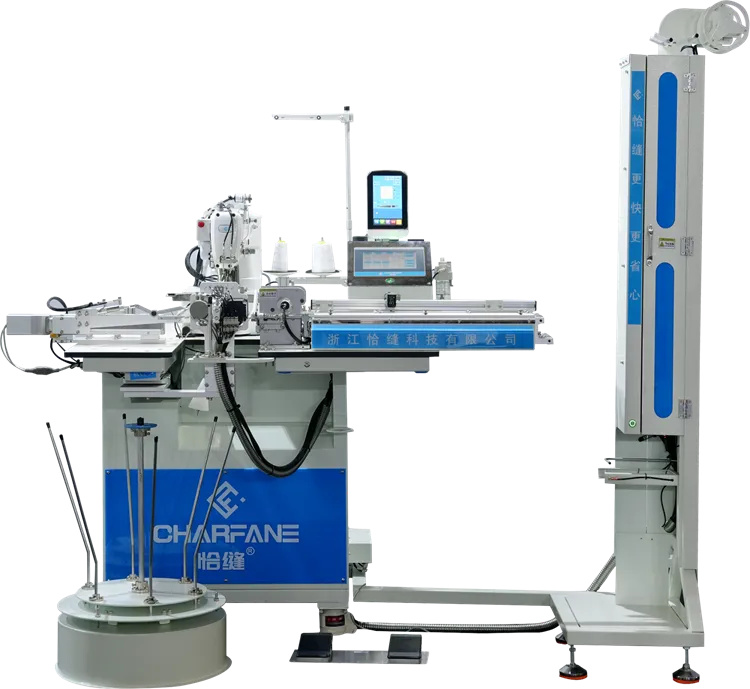
F‑560 Automatic Elastic Band Joining Machine – Bartack Machine Series
Learn more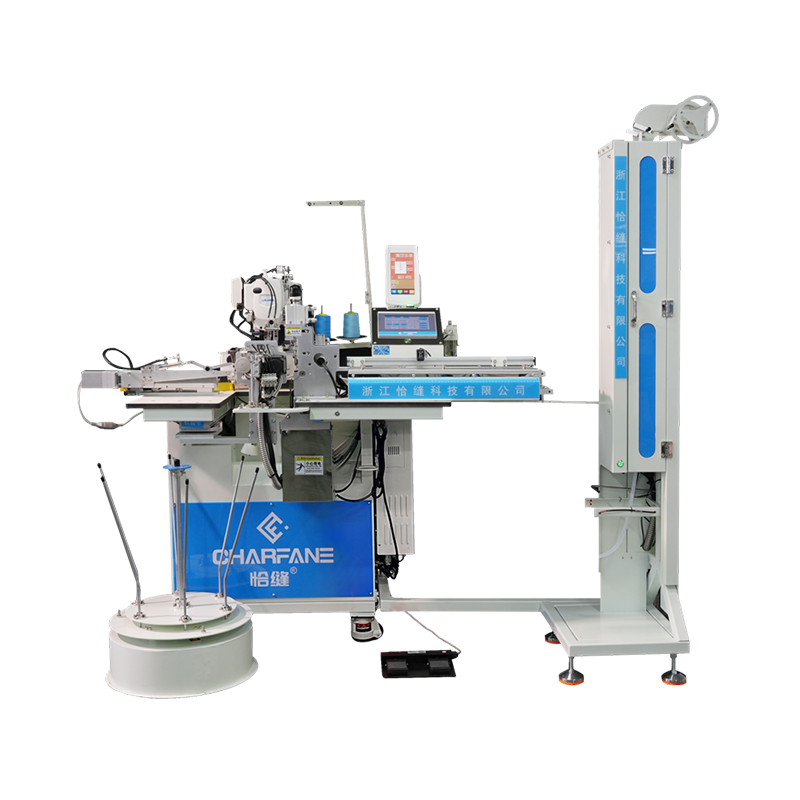
F‑750 Precision Elastic Band Joining System × JUKI Pattern Sewing Machine
Learn more
New‑Generation High‑Speed Pocket Welting Machine
Learn more
F‑336 Fully‑Automatic Elastic Band Attaching Machine
Learn more